






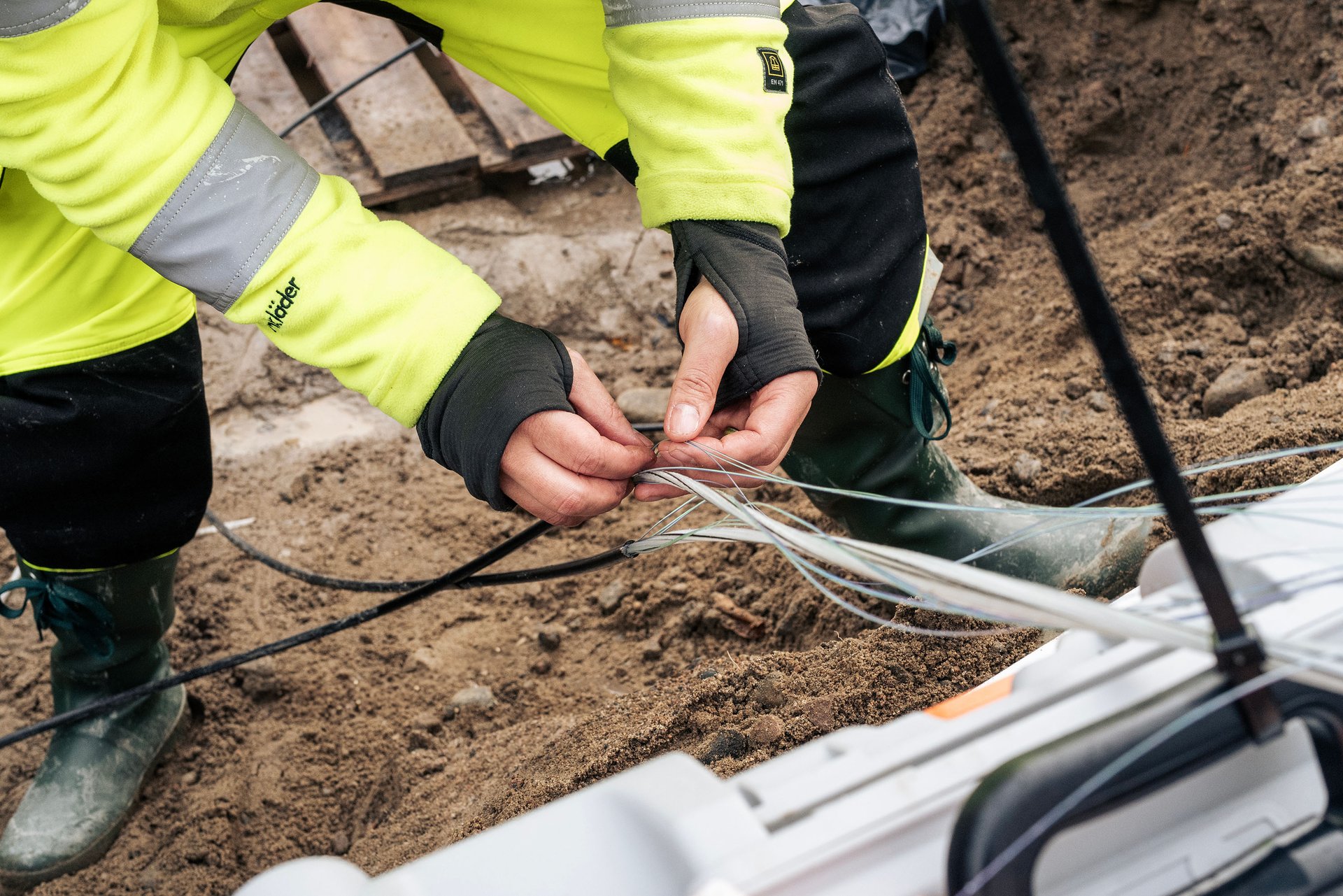



Take a look at the world around us. The demand for bandwidth is growing at a pace that's hard to keep up with. Cities, data centers, and entire regions must be connected by fiber highways, built to handle everything from streaming and cloud computing to the next wave of digital services. If you're involved in planning or buying for these transport networks, you know every decision counts. The cabling system you choose impacts more than cost; it determines your readiness for the future.
Cutting costs: Micro cabling's impact on CAPEX and OPEX
Let's be honest. Traditional transport networks are heavy work. Bulky cables, large conduits, and big installation teams all add up. Micro cabling systems, like Hexatronic's Viper series, are designed to make things easier. They're lighter, faster to install, and require less equipment and fewer people on-site. That means you get the job done quicker, and the network is easier to maintain for years to come. The Hexatronic whitepaper, Micro Cabling Systems - Driving the future of fiber optic long distance networks, demonstrates that micro cabling can reduce total system costs by more than half compared to traditional methods, particularly when building over long distances.
Real-world cost comparisons: Traditional vs. micro cabling
Here's where it gets interesting. For a 288-fiber capacity, micro cabling typically costs about 60 percent of what you'd pay for traditional cabling. That means you're saving nearly 40 percent on every meter, right from the start. If you're building for higher capacity, like 1,152 fibers, the savings are even greater. When your project stretches over hundreds of kilometers, those percentages translate into substantial budget room for new projects, upgrades, or simply a little breathing space.
Sustainability at scale: Lower CO₂ and less plastic
Large-scale fiber projects require a vast amount of material and transport, which can have a significant environmental impact. Micro cabling systems make a real difference here. They use less plastic than traditional solutions, and the reduction in weight and volume results in fewer trucks on the road and less fuel consumption. These improvements are visible in every shipment, every installation, and every project milestone. Customers and partners are paying attention to how networks are built, and these choices send a clear signal about your commitment to responsible growth.
Future-proofing investments: scalability and flexibility
Nobody knows exactly what tomorrow's data demands will look like. That's why flexibility matters. Microduct systems enable you to build out your network incrementally, adding capacity as needed. You're not locked into one solution, and you don't risk ending up with stranded assets. Upgrading to higher fiber counts or new technologies is much simpler, so you're always ready for what's next.
Micro cabling: the strategic choice for modern transport networks
Micro cabling systems deliver measurable savings, support ambitious sustainability targets, and offer the flexibility to adapt as technology and demand evolve. As long-distance fiber networks expand and expectations rise, choosing micro cabling means you're future-ready. By building efficient, responsible, and long-lasting networks, you can stay ahead in a rapidly changing industry.
Ready to rethink what's possible in transport networks?
Our latest whitepaper reveals how micro cabling systems are reshaping transport networks. Learn how you can cut costs, minimize environmental impact, and prepare your network for future demands. Whether you're planning a major rollout or seeking smarter, more sustainable solutions, this guide offers practical insights and real-world data.