







Fiber demand keeps climbing across every region. Operators and ISPs are densifying access networks, hyperscalers are wiring out new data center campuses, and transport routes are being upgraded to carry the traffic between them. Budgets are tighter, sustainability targets are firmer, and timelines are shorter. The supplier you choose shapes every one of those outcomes.
Most fiber suppliers look similar on a spec sheet. The real differences show up in the field: in how the components fit together, how fast crews can deploy, how easy the network is to scale, and what the build leaves behind in waste.
Here is a buyer's lens for evaluating a fiber optic system partner.
System fit, not just components
The fastest way to add project risk is to mix and match parts that were never designed to work together. Cables, microducts, closures, and tools from different sources will technically interoperate, but the friction lands on installation crews, returns, and rework.
Ask whether your supplier offers components designed as one system. End-to-end design reduces compatibility issues, simplifies crew training, and lowers the total cost of ownership. It also makes scaling later far less painful, because you are extending a known system rather than negotiating across vendors.
A useful test: can your supplier walk you through a complete deployment using only their own portfolio?
When components are designed as one system, you stop spending project hours solving problems that should never have existed.

Installation efficiency and labor
Material cost is visible. Labor cost is where projects quietly bleed. As skilled-installer shortages tighten globally, the value of every saved hour keeps rising.
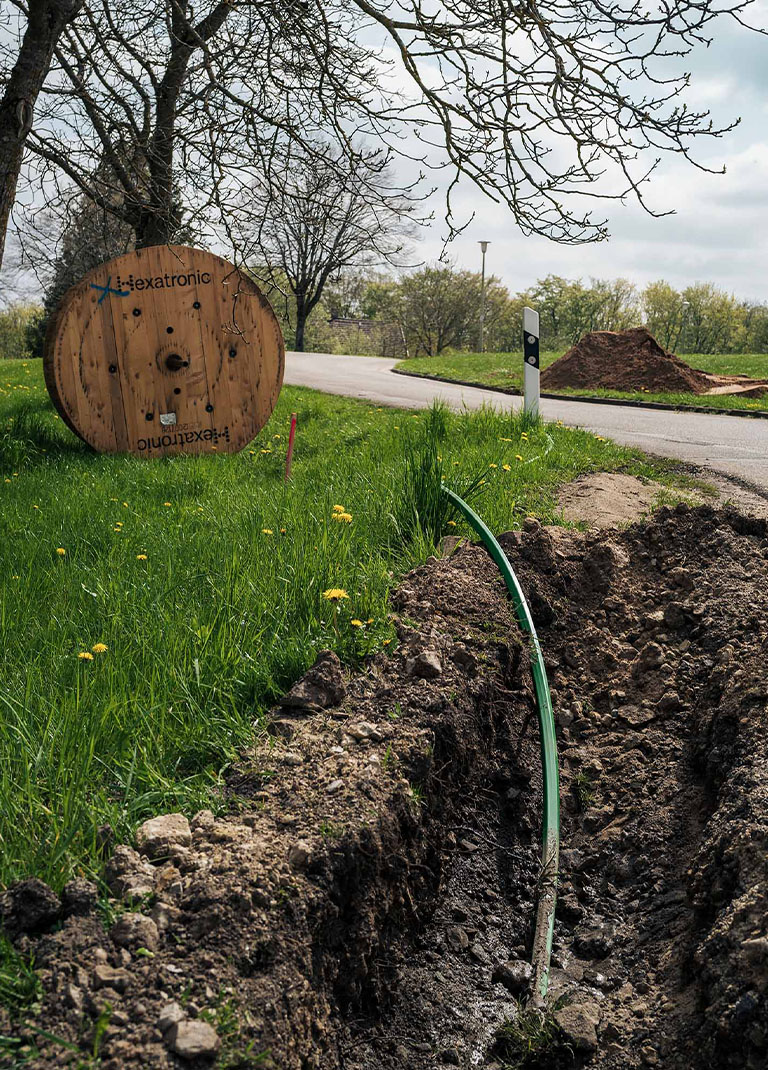
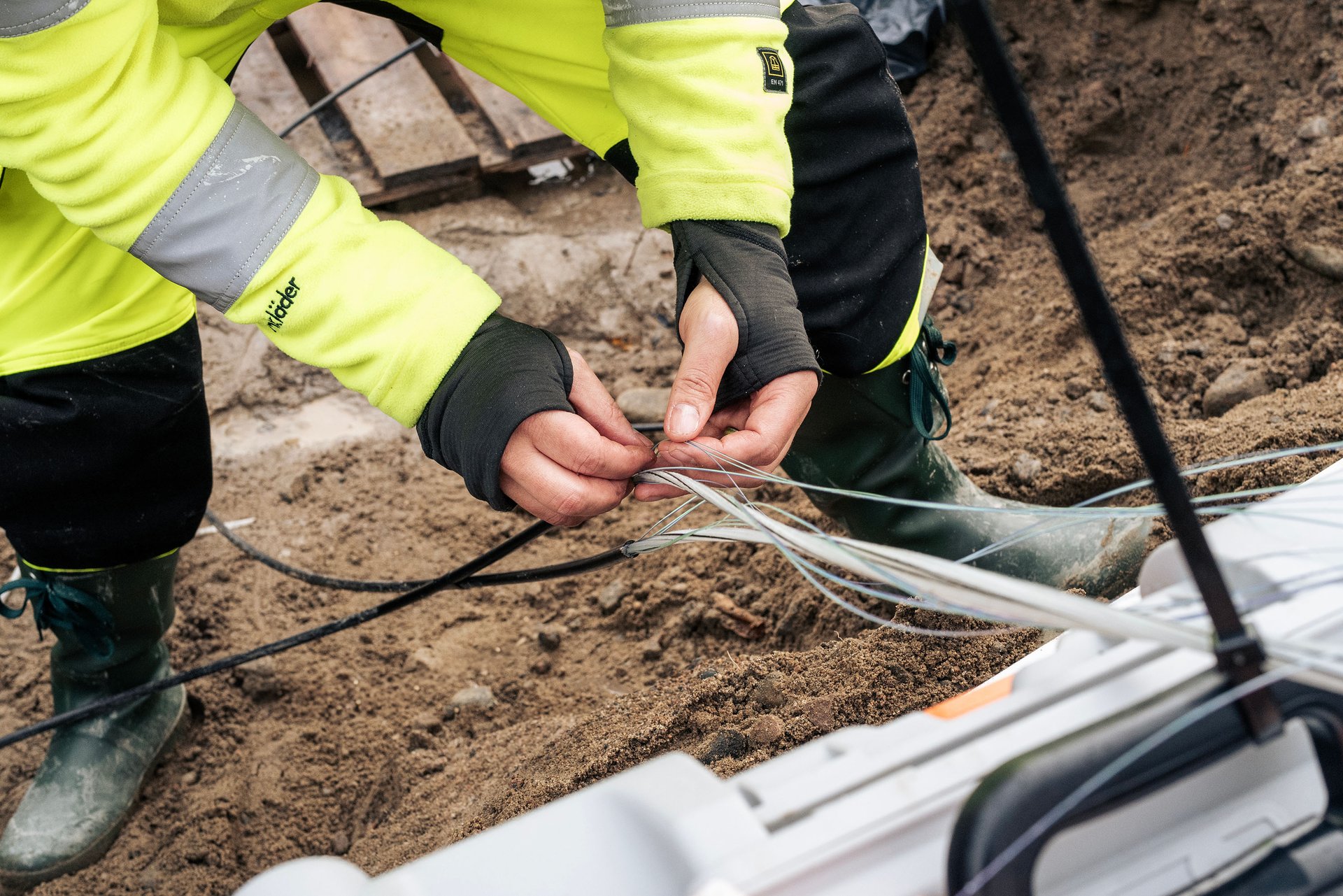
Look closely at how the system installs. Air-blown fiber, where cable is jetted through pre-laid microducts, removes the heaviest and slowest parts of traditional pulling. Cable prep, splicing, and closure handling all add up over a build. A supplier that can demonstrate measurable time savings per kilometer is worth more than one quoting the lowest material price.
Pressure-test the claim. Ask how the system changes the hours per kilometer your crews actually spend on site.
Scalability without re-trenching
Network needs keep growing. The real question is whether the network you build today can absorb tomorrow's capacity without breaking ground again.
Microduct systems let you blow additional fiber into existing infrastructure as needs evolve. That matters for access network operators upgrading neighborhoods, for transport routes adding capacity between cities, and for data center campuses expanding faster than the original plans assumed. Ask suppliers how their architecture handles growth five and ten years out, and look for headroom designed into the duct.
Training and field support that protect the investment
Even a well-designed system underperforms when the crew installing it is guessing. With skilled installers in short supply, the suppliers worth shortlisting treat training as part of what they deliver, not an add-on at the end.
Look for a partner who can take your team through the full skill stack: procurement, design, quality assurance, installation, and maintenance. Structured courses and certifications pay back in fewer rework hours, cleaner splices, and crews who can troubleshoot on site instead of waiting for a callback.
Field support matters just as much. When a question arises mid-installation, an on-the-ground expert can recommend the right product, demonstrate the technique, and share best practices. The project keeps moving, and the network performs as designed.
Ask suppliers what training they offer, who delivers it, and whether their field engineers can join your crews on site during a rollout. A partner who shows up in the field stands behind the system.
Sustainability you can measure
ESG targets are no longer optional. Operators face pressure from investors, regulators, and enterprise customers to report progress, not intentions.
Smaller, lighter cables and ducts use significantly less plastic per kilometer of network. They also reduce transport emissions, trenching volume, and waste at end of life. Thin-tech designs, which aim to do more with less material, deliver savings that hold up in audits. Ask suppliers for material reduction per kilometer, recycled content, and take-back programs. A partner who can support your ESG reporting has already done the work themselves.
Local presence and supply resilience
Global supply chains stayed fragile through 2025 and into 2026. The suppliers winning long-term contracts are the ones with regional manufacturing footprints, in-country inventory, and the ability to meet local procurement rules. Look beyond a sales office. Ask where the cable is made, where stock is held, and how the supplier responds when a project hits an unplanned delay.
How to make the call?
The right fiber optic system partner shortens deployment, simplifies operations, and supports goals your finance and sustainability teams already report on. Run every shortlisted supplier through the same questions. The differences will be obvious.
Hexatronic designs end-to-end fiber systems for operators, ISPs, and data center builders, supporting access, transport, and metro networks that need to scale. Talk to our team about how a system approach fits your next rollout.