Electrification and digitalization are reshaping the subsea cable market, with growing demand across energy, telecom, and data infrastructure. In a new interview with Hot Telecom, Anders Ljung, Business Manager for Submarine Cable Solutions at Hexatronic, shares his perspective on the developments driving the market, from offshore wind farms and energy interconnectors to hyperscale data centers and telecom networks. He also talks about Hexatronic's investment in Sweden, which will more than double its subsea cable manufacturing capacity.
Investing for growing demand
To meet growing demand from both the energy and telecom sectors, Hexatronic is expanding its subsea cable manufacturing capacity in Sweden. Anders Ljung describes it as the largest investment in Hexatronic's history and says the new capacity is expected to be up and running in around two years.
Read more about the investment in our new subsea cable production line.
The role of fiber in the energy transition
There is also a less visible side to the growth of subsea infrastructure. Optical fiber integrated into power cables provides connectivity between offshore and onshore infrastructure and can be used for monitoring and sensing. As Anders Ljung explains in the interview, increasingly connected energy systems are creating new opportunities for fiber as offshore wind farms and interconnectors become part of larger energy grids.
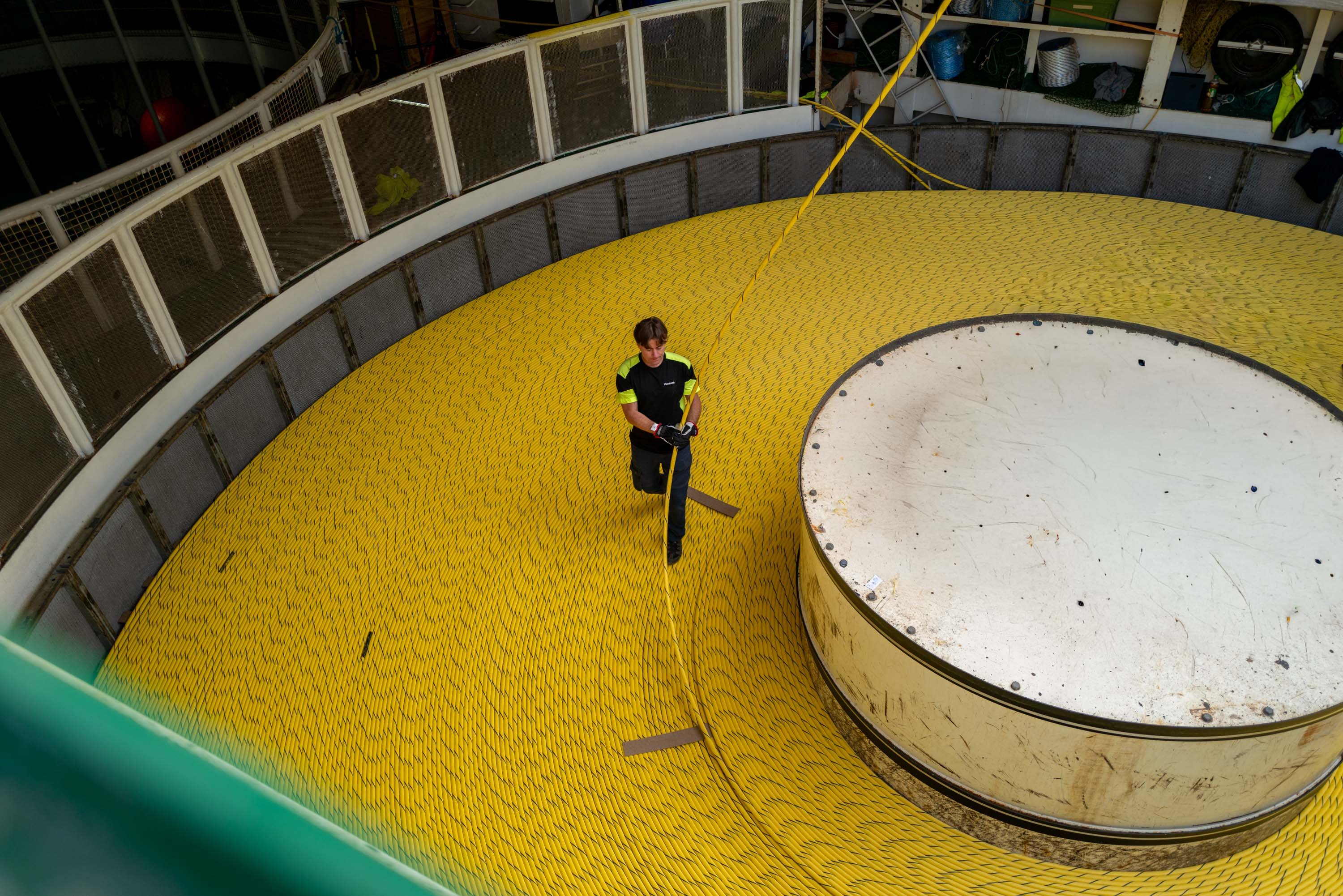
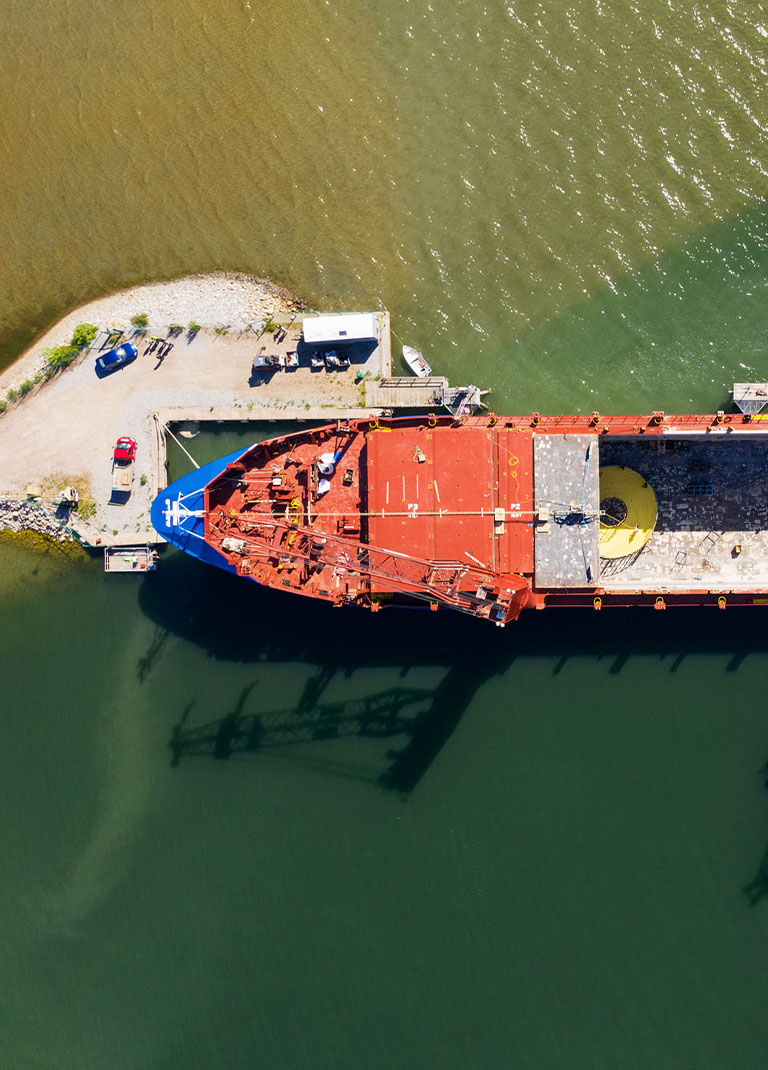
Loading of a subsea cable onto a ship at the production facility in Hudiksvall, Sweden.