Search type
  • There are no suggestions because the search field is empty.
Home / Transport networks and micro cabling
Aerial view of a large city at night. Streets are lit up by thousands of street lights.

Transport networks and micro cabling

A practical guide to modern transport network design.

Table of content

Building transport networks that last

Transport networks form the backbone of digital infrastructure. They connect cities, regions, data centers, and core network nodes. They carry massive volumes of data over long distances, often in demanding environments.  These networks are built to last for decades. Yet the pressure on them keeps increasing. More capacity. Faster deployment. Less disruption. Lower lifetime cost.

This page is for anyone involved in planning, building, or upgrading transport networks. It explains the challenges that shape these projects, how micro cabling is changing transport network design, and how Hexatronic approaches transport networks as complete systems rather than individual components.

Why micro cabling is moving into transport networks

Transport networks rarely struggle because of a single technical limitation. Issues tend to compound over long routes and over time.
Continuity is one of the most common pressure points. Long distances are often broken into multiple installation stages, each with its own access points, splice locations, and handovers between teams. Every interruption adds time, coordination, and risk to the project.

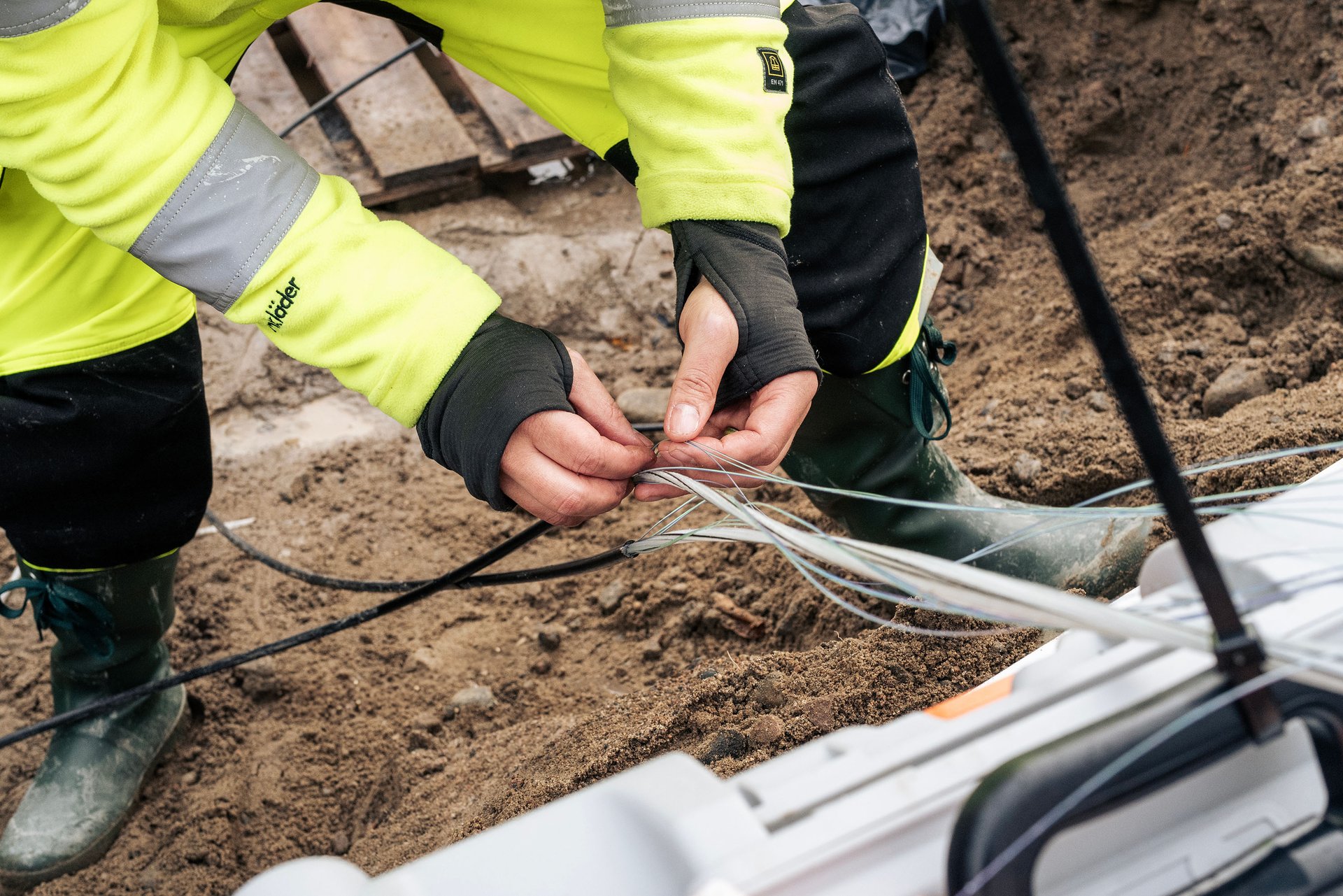
Installation effort is another defining factor. Traditional large cables are heavy and demanding to handle. Setup time, logistics, and repeated installation steps quickly become dominant cost drivers, particularly on routes with limited access or challenging terrain.

Planning for future growth adds further complexity. Transport networks must support rising capacity needs over many years. Overbuilding locks up capital early. Underbuilding leads to disruptive upgrades later. Designing for controlled, incremental expansion is therefore critical.

Finally, there is lifetime cost. In transport networks, the material itself is often a smaller part of the total equation. Installation, labor, maintenance access, and active equipment shape the true cost of ownership over decades.

All these realities explain why transport network design has evolved.

The real challenges behind transport network projects

Micro cabling first gained traction in access networks, where space constraints and rapid roll-out drove adoption. Over time, improvements in cable design, installation methods, and optical performance have expanded its role into transport and backbone networks.

In long‑distance applications, micro cabling changes how networks are built. Longer installation distances can be achieved in a single run, reducing the number of intermediate splice points. Lighter cables simplify handling in the field. Microduct infrastructure allows capacity to be added later without reopening the route.

Rather than replacing traditional approaches everywhere, micro cabling is increasingly used where it delivers clear benefits in continuity, scalability, and long‑term cost control.

Hexatronic-Transport-whitepaper
Whitepaper

Get the full view of modern transport networks

Get all the insight about micro cabling for transport networks right to your inbox. 

From individual components to system‑based design

One of the most important shifts in modern transport networks is the move away from selecting isolated components toward designing complete systems.

In a system‑based approach, cables, ducts, closures, and installation methods are considered together from the start. Performance is evaluated alongside installability. Capacity planning is tied to long‑term expansion paths. Installation workflows are designed to reduce stops, setup time, and rework.

This approach helps align technical performance with practical realities in the field and with the network’s expected lifetime.
At Hexatronic, transport networks are developed with this system perspective. Solutions are designed to work together across long distances, challenging environments, and extended operating lifetimes.

Example of a system‑based micro cabling approach

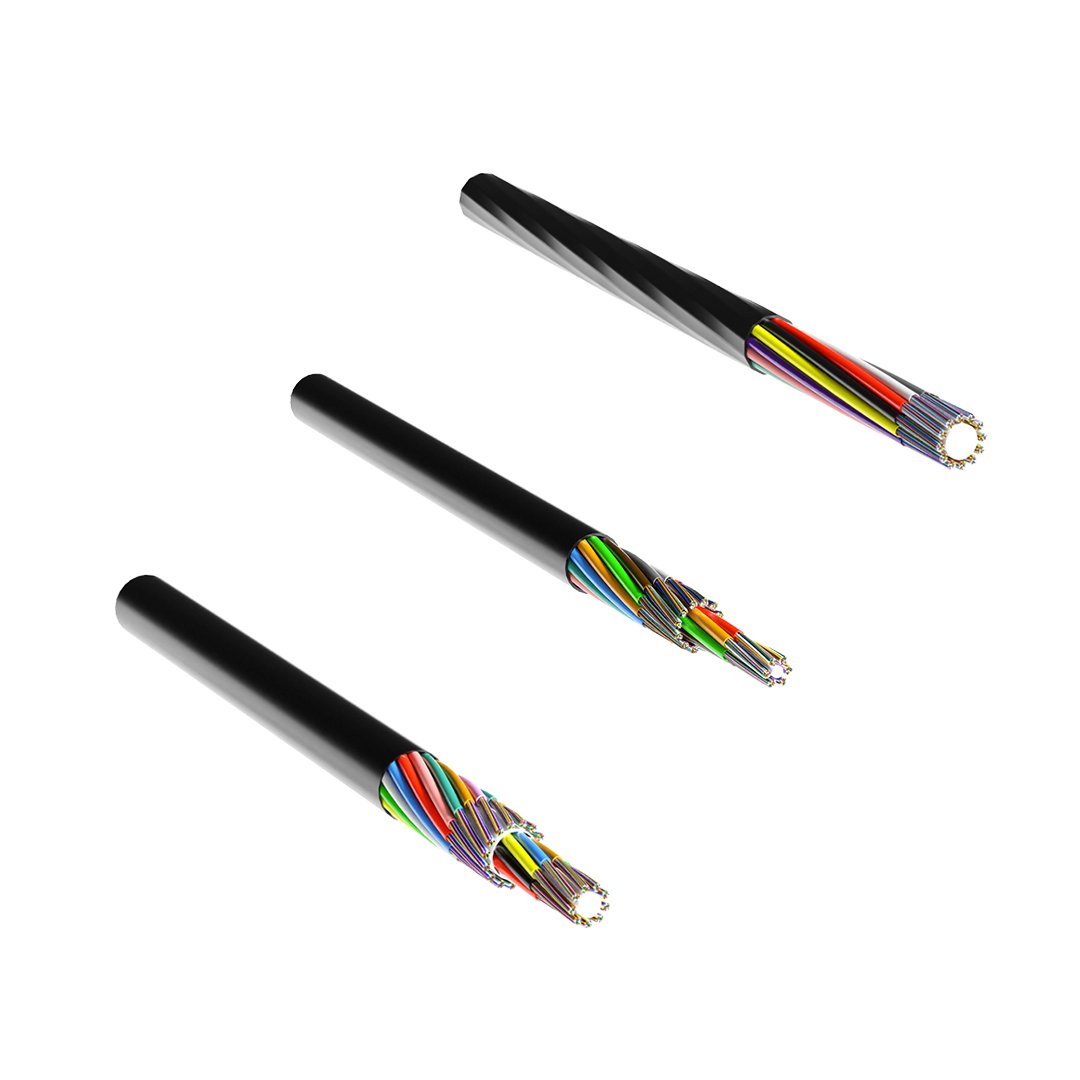
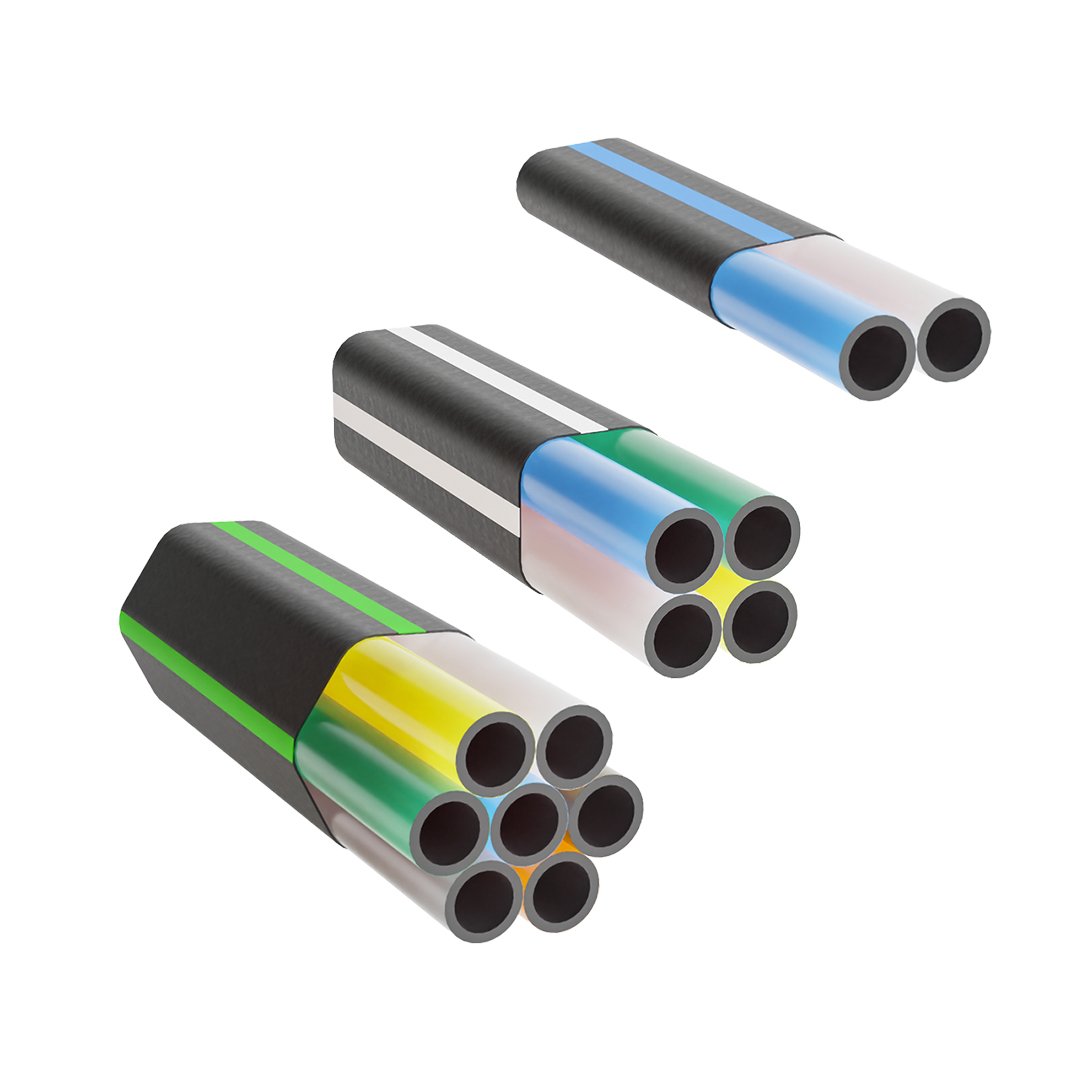
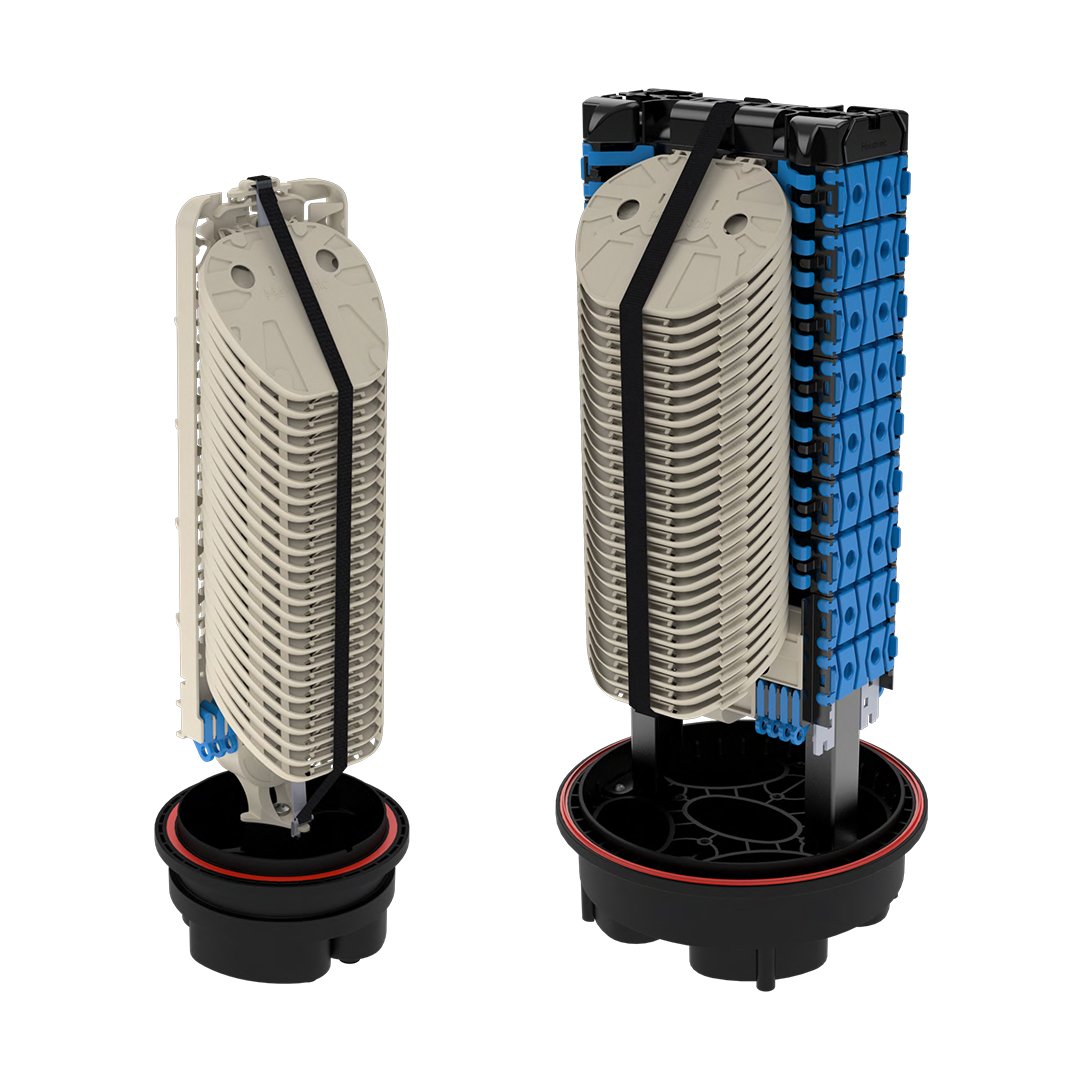
A system‑based transport network solution typically combines micro cables optimized for long‑distance installation, microduct infrastructure that supports future expansion, and closures designed for high fiber density and reliable operation.

The goal is not just to install fiber from A to B, but to create a network that can be deployed efficiently today and adapted over time with minimal disruption.

Viper Core is one example of how this approach is applied in practice. It is designed specifically for transport networks and data center interconnects, where installation efficiency, scalability, and reliability all matter.

This page focuses on the principles behind the approach. Applicable solutions and technical specifications are covered on the solutions pages.

module.main_image.main_image.alt

Explore more

A practical lens for transport network decisions

When planning or upgrading a transport network, early questions often shape outcomes more than individual product choices.
It helps to consider how long continuous route sections can realistically be, and how many installation stages will be required. Longer installation distances usually mean fewer splice points and less coordination overhead.

Capacity planning should balance today’s needs with realistic future growth. Networks that allow additional capacity to be added without reopening the route tend to age more gracefully.

Operational impact is equally important. The number of active sites, access requirements for maintenance, and long‑term reliability all influence lifetime cost.

Sustainability also plays a growing role. Material use, transport logistics, and the ability to upgrade with minimal additional resources increasingly factor into network design decisions.

Taken together, these considerations help determine whether a transport network remains manageable over decades.

What installers focus on in transport networks

From an installer’s perspective, predictability and workflow matter as much as specifications.

Lighter cables reduce physical strain and simplify handling. Longer installation distances reduce repeated setup and splicing work. Fewer interruptions help crews maintain momentum and keep projects on schedule.

These practical realities are a key reason micro cabling systems are increasingly preferred in transport network deployments.

Frequently asked questions

Metro networks typically serve cities or metropolitan areas. Transport networks connect metros, regions, and core infrastructure over longer distances.

Talk to a transport network specialist

Reach out to our team to discuss your project needs. 

Explore more

Why installers prefer micro cabling for modern transport networks

Why installers prefer micro cabling for modern transport networks

The business case for micro cabling systems in transport networks

The business case for micro cabling systems in transport networks

Introducing Viper Core: A smarter way to build transport networks and data center interconnects

Introducing Viper Core: A smarter way to build transport networks and data center interconnects