





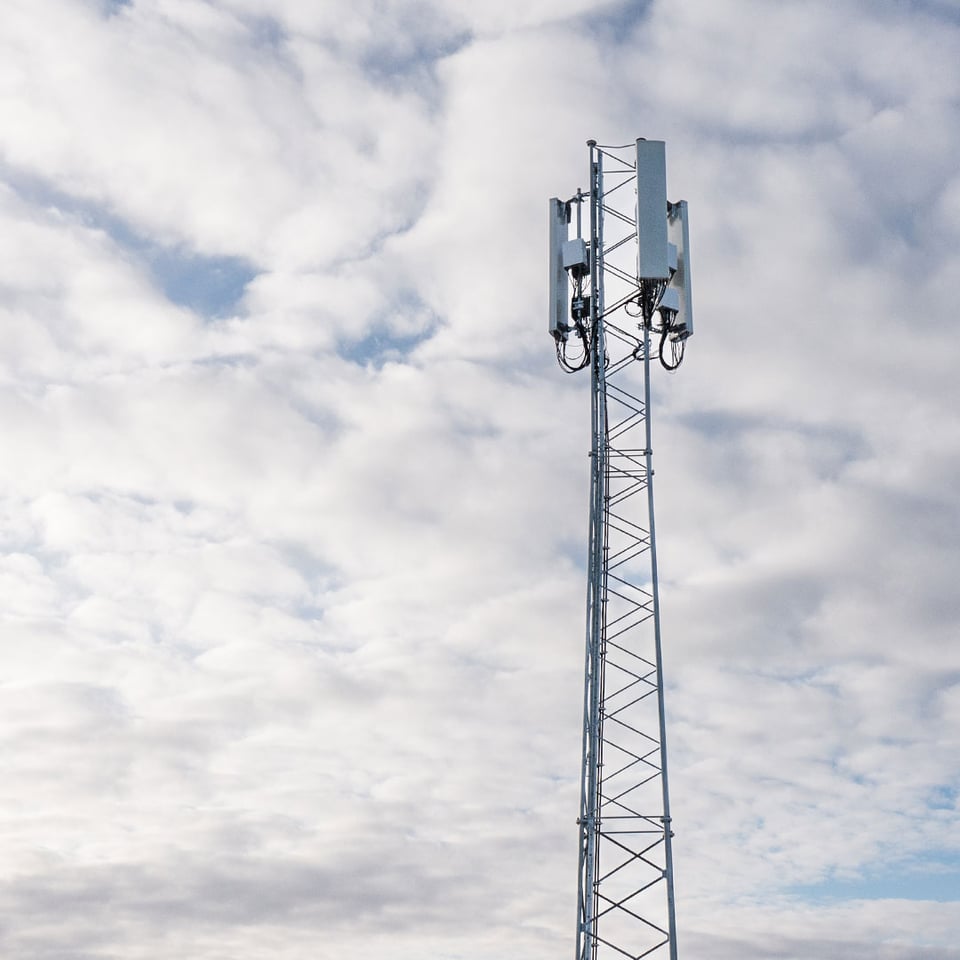



Critical services across society depend on fiber networks to function. Fiber monitoring can enhance the resilience, security, and sustainability of a fiber optic network.
Digital connectivity has become an essential part of modern life, and society is increasingly dependent on a wide range of digital connectivity solutions. As public and private services continue to digitalize, everything from payment systems and healthcare to energy grids and mobile networks depends on robust telecommunications infrastructure. The defense sector is also increasingly reliant on civilian communication networks.
Without reliable networks, many of the services that are critical to society, businesses, and public welfare would cease to function. As digitalization accelerates and demand for data transmission continues to grow, ensuring resilient and high-capacity telecommunications infrastructure has become more important than ever.
At the core of this infrastructure are fiber optic cables, which form the backbone of our digital society. These networks carry vast volumes of data continuously, enabling everything from everyday internet access to critical public services. As demand for bandwidth, speed, and reliability continues to increase, fiber optic infrastructure remains essential for meeting both current and future connectivity needs.
Risks and threats to fiber networks
In addition to accidental cable damage, sabotage and cyber threats represent significant risks to telecommunications infrastructure. Fiber optic cables have long been perceived as inherently secure and immune to eavesdropping. However, this perception is not entirely accurate.
Fiber optic infrastructure is often relatively accessible and, in some cases, insufficiently protected. To reduce the risk of accidental damage during excavation and construction work, cable routes are frequently marked with signs and other identifiers. While these measures serve an important purpose, they can also make critical infrastructure easier to locate and target.
Information about network routes may also be available through public sources. Combined with the increasing availability of specialized knowledge and equipment, this lowers the barriers for malicious actors seeking to disrupt communications or gain unauthorized access to fiber optic networks. As a result, protecting fiber infrastructure from both physical and cyber threats has become an increasingly important part of safeguarding society’s digital backbone.
How to protect a fiber optic network
Several measures can be implemented to improve the security of fiber optic networks:
1. Physical protection of fiber cables
This is a simple and effective approach as long as the fiber cables remain within areas under your direct control. However, once the cables extend beyond your own premises, protecting the connection becomes significantly more challenging.
2. Encryption
Optical encryption is an effective way to secure fiber optic communications, but it is also a costly approach. In addition to the investment in the encryption solution itself, it often requires increased capacity within the fiber network.
3. Fiber monitoring
A modern, scalable all-in-one fiber monitoring system from Hexatronic continuously tests and monitors fiber condition across the network. This provides a clear overview of network status and activity, enabling operators to identify issues early and respond quickly. Both live fiber and dark fiber can be monitored without affecting traffic.

Fiber monitoring in practice: Flen Municipality
Flen Municipality upgraded its fiber network with Hexatronic's monitoring system. It now locates a break down to the meter and detects tampering in real time, protecting services such as healthcare and social care.
For us, fiber monitoring isn't just about finding a cable break half an hour faster. It's about having full control over the network's health in real time, so we can fix issues before they ever turn into outages for critical services.

Why choose fiber monitoring?
Security
Any attempt to tamper with, tap into, or sabotage a monitored fiber link can be detected immediately, with alerts showing the location and time of the incident. This significantly improves the security and integrity of critical communications.
Additional sensors can further enhance infrastructure security without requiring local power. Cable wells, cabinets, and other facilities can be monitored for unauthorized access, water ingress, and abnormal temperature changes.
Resilience and sustainability
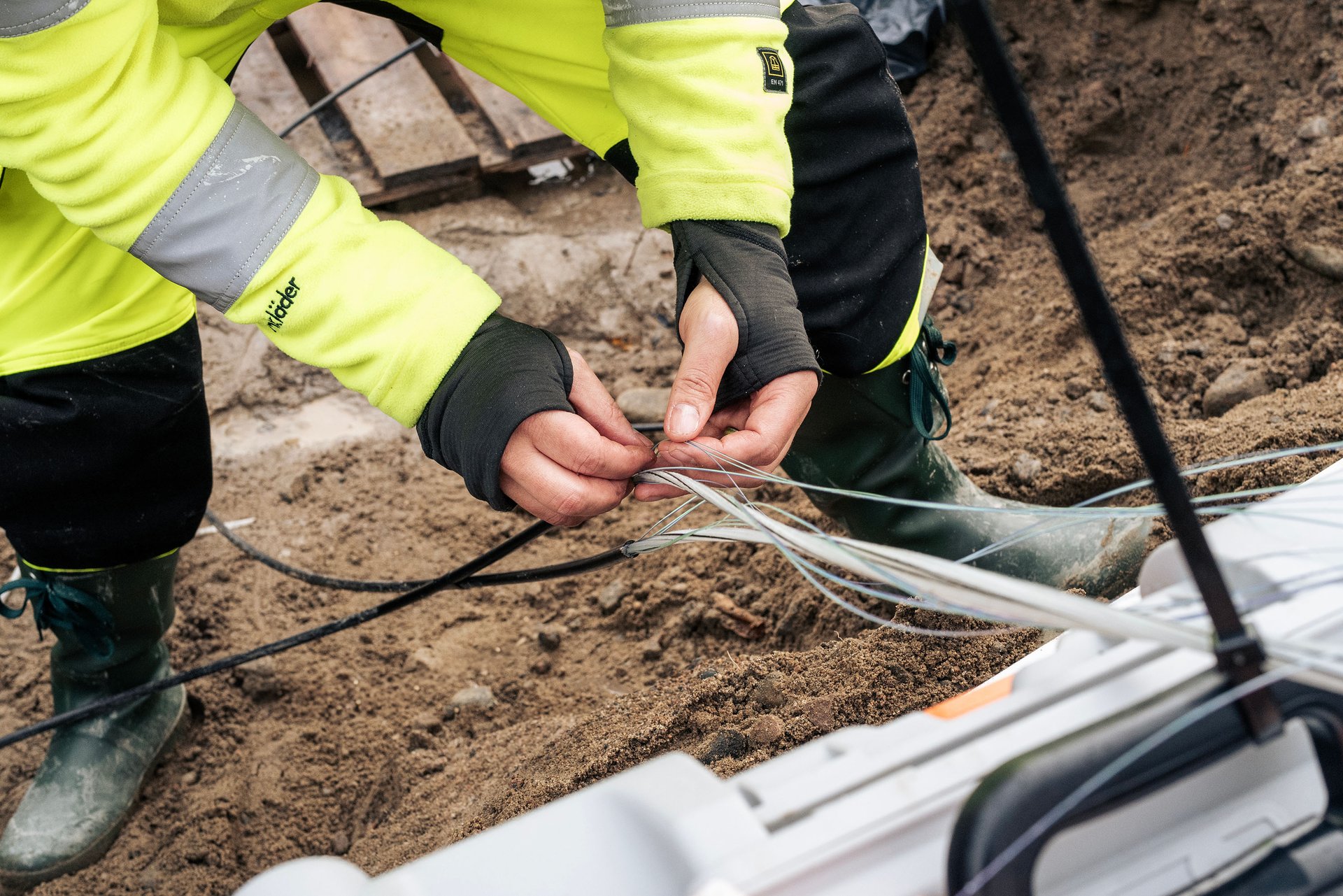
Physical faults, such as accidental fiber breaks, are detected and located immediately, enabling network operators to respond quickly and dispatch repair teams directly to the affected location using precise GPS coordinates.
Fiber condition also changes over time as the glass ages. By continuously tracking fiber performance, a monitoring system helps network owners plan preventive maintenance and reduce the risk of unplanned downtime. This improves network resilience, enhances service quality, and lowers the costs associated with troubleshooting, repairs, and ongoing maintenance.
If this sounds interesting, don't hesitate to reach out to us to discuss your options!